Let Your Body Speak: A Gentle Check-In
Stress often shows up in the body before we notice it in the mind. A quiet check‑in can help you catch tension early and soften it with care.
Find a comfortable position—sitting or standing—and bring your attention slowly from the top of your head to the tips of your toes. Notice, without judgment, where you feel tightness, warmth, coolness, or heaviness. Allow your jaw to loosen, your shoulders to drop just a little, and your hands to soften. If you find a tense area, imagine you are breathing in kindness and breathing out a bit of that tightness. This is not about perfect relaxation; it’s about listening with patience. Over time, this daily body check‑in can become a quiet ritual that tells your nervous system, “You are safe enough to soften, even just a little.”
Create One Quiet Corner in Your Day
You don’t need a full retreat to feel relief; sometimes a single quiet corner in your day is enough to reset your system. Instead of imagining hours of calm you don’t have, gently choose one small window of time—perhaps two minutes after waking, three minutes before a meal, or five minutes before sleep.
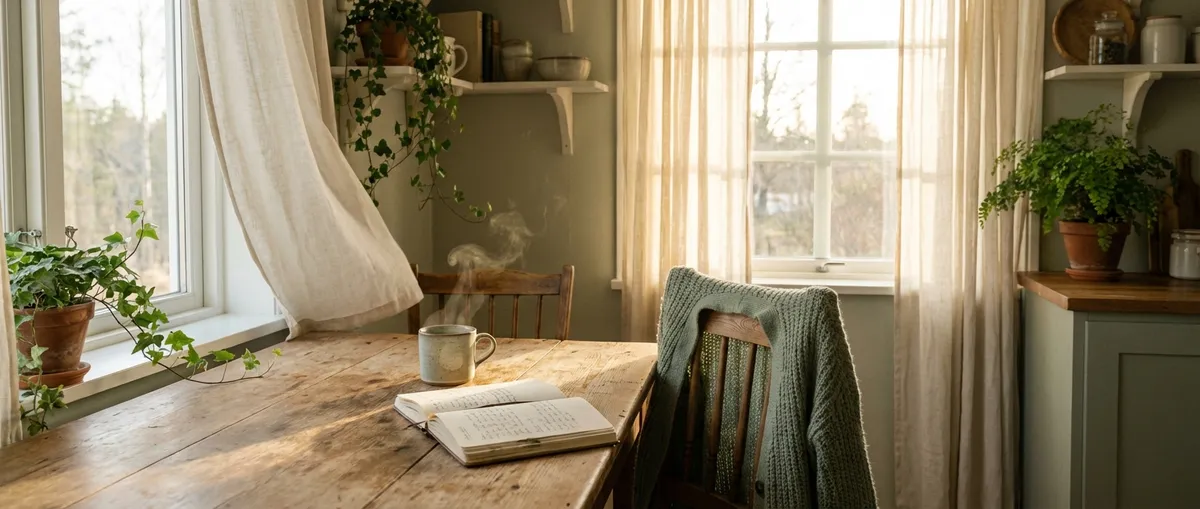
In that brief moment, step away from screens if you can. Sit, stand, or lie down comfortably, and let yourself do just one simple thing: gaze softly out a window, sip a warm drink slowly, or rest your hands over your heart and feel your own warmth. The goal is not to achieve “perfect calm,” but to give your mind a clear message: not everything is urgent. Bit by bit, this small daily pause can become an anchor you look forward to, like a tiny sanctuary that travels with you.
Soften Your Inner Voice
Stress often grows louder when our inner voice becomes harsh. You might notice thoughts like, “I should handle this better,” or “Why am I still stressed?” These thoughts add extra pressure to a mind that’s already carrying a lot.
When you notice that inner critic, try gently shifting the tone. You don’t need to force happy thoughts; simply soften the edges. You might say to yourself, “This is a lot, and I’m doing the best I can,” or “Anyone would feel stressed in this situation.” Imagine how you would speak to a dear friend who feels overwhelmed—and offer yourself the same kindness, even if it feels unfamiliar. This small change in how you speak to yourself can reduce emotional strain and make stressful moments feel more manageable and less lonely.
Let Nature Help You Exhale
Even a brief moment with nature—whether outdoors or through a window—can quietly ease stress. You don’t need a long hike or a perfect view; tiny scraps of nature still count.
If you can step outside, notice the sensation of your feet on the ground, the temperature of the air on your skin, or the sound of birds, wind, or distant traffic blending into the background. If you’re indoors, you might watch the sky for a minute, look closely at a plant, or even view a calming nature image or video. As you observe, see if you can let your breathing follow a simple rhythm: a gentle inhale through your nose, a soft, longer exhale through your mouth or nose. Allow your gaze to rest on something natural and steady. These small nature moments can remind your body that it’s part of a larger, slower world—not just the rush of your thoughts and responsibilities.
Choose One Tiny Act of Care (And Let It Be Enough)
When life feels heavy, “self‑care” can sound like another expectation you’re not meeting. Instead of aiming for a full routine, choose just one small, realistic act of care each day and decide that it is enough for now.
This might be drinking a glass of water slowly, going to bed 10 minutes earlier, stretching your arms overhead when you stand up, or listening to a soothing piece of music. The key is to do it with awareness: as you take this small step, silently acknowledge, “This is me caring for myself.” Over time, these gentle acts build a quieter, kinder relationship with yourself. Rather than waiting for the stress to disappear, you are learning to move through it with more tenderness and respect for your limits.
Conclusion
Stress may be part of being human, but constant strain doesn’t have to be. A body check‑in, a quiet moment in your day, a softer inner voice, a brief touch of nature, and one tiny act of care—none of these require perfect circumstances or long stretches of free time. They are simple doors you can open, one at a time, whenever you remember.
You don’t need to do all of them at once. You might choose just one to try today and see how it feels in your own rhythm. Even the smallest, kindest shift in how you move through your day can be a step toward a life that feels a little more spacious, a little more breathable, and gently, quietly, more your own.
Sources
- American Psychological Association – Stress Effects on the Body - Explains how stress shows up physically and why body awareness can help
- National Institutes of Health – Relaxation Techniques - Overview of simple relaxation practices that support stress relief
- Harvard Health Publishing – Give Nature a Try for Better Mental Health - Discusses how time in nature can ease stress and improve mood
- Mayo Clinic – Positive Self-Talk - Explores how gentler, more positive self-talk can reduce stress
- Centers for Disease Control and Prevention – Coping with Stress - Provides practical, evidence-based suggestions for managing stress in daily life